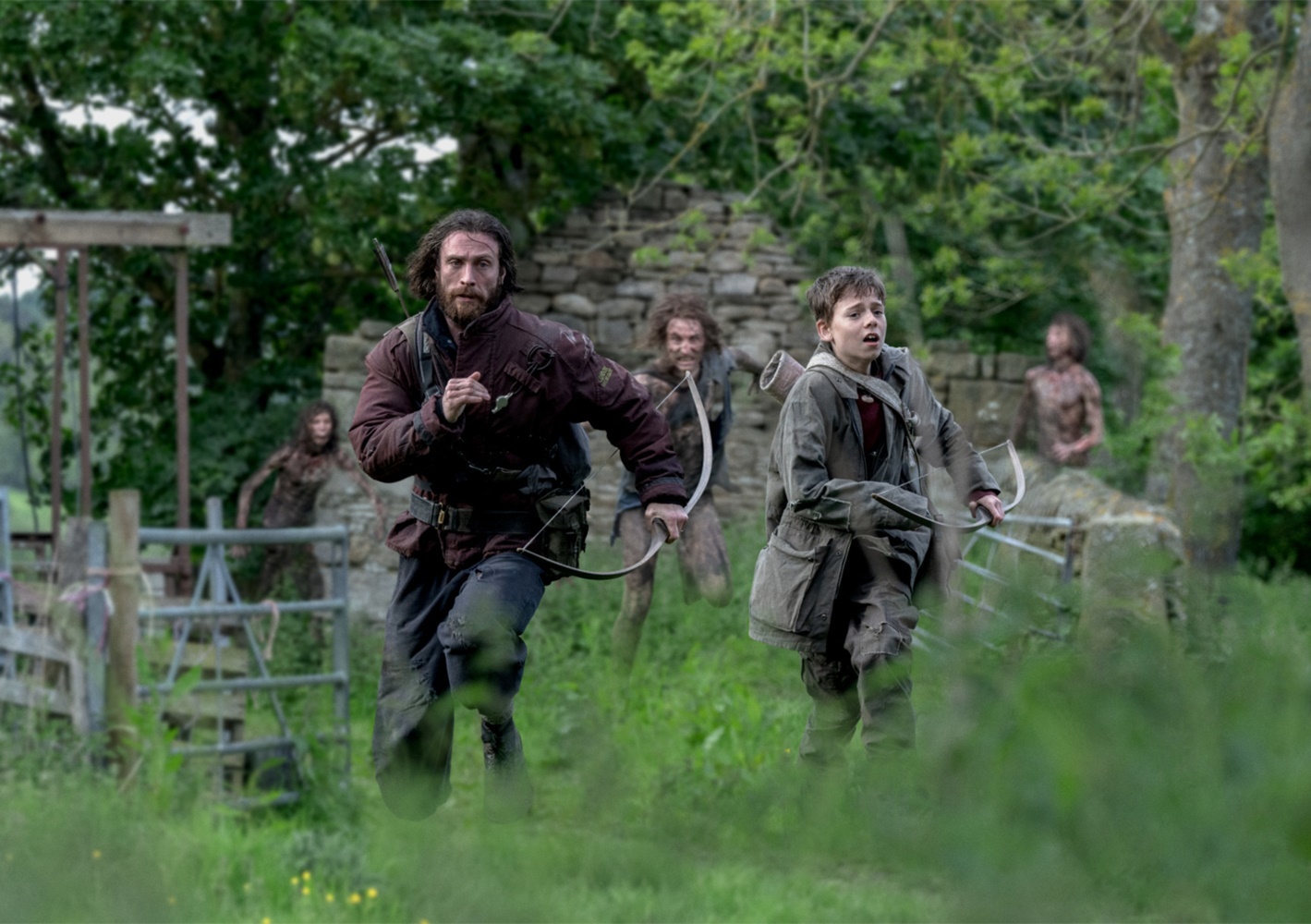
The film begins with the familiar nightmare — infection, isolation, people running — but its most effective material comes from the communities that form afterward.
The world has adapted. That makes it more unsettling, not less. Humanity has built rituals around the thing that almost destroyed it.
The infection still moves .
Boyle keeps the physical energy of the original alive. The camera can be frantic, but the film also knows when to hold on a face and let fear become exhaustion.
The apocalypse is frightening. Living normally after it may be worse.
The cast gives the story emotional weight, particularly when the film shifts from survival mechanics to questions of family and belief.
A world with memory .
The sequel is at its best when it acknowledges that twenty-eight years is long enough for trauma to become tradition.
Not every new idea lands equally well, but the film's willingness to complicate its own mythology makes it feel alive rather than merely nostalgic.
The nightmare grew up .
This is still a horror film, but it is also about inheritance. What does one generation pass to the next when the past is something they were never allowed to forget?
That question gives the movie more staying power than another sprint through an empty street ever could.